

How Much Does Garage Door Replacement Cost in Ottawa? What Sets the Price
Two quotes for a new double garage door, same colour, same style on the brochure page, and one is a good deal higher than the other. Neither is necessarily padded or cut-rate. Garage doors that look alike from the curb can be built very differently, and the installation around them varies even more.
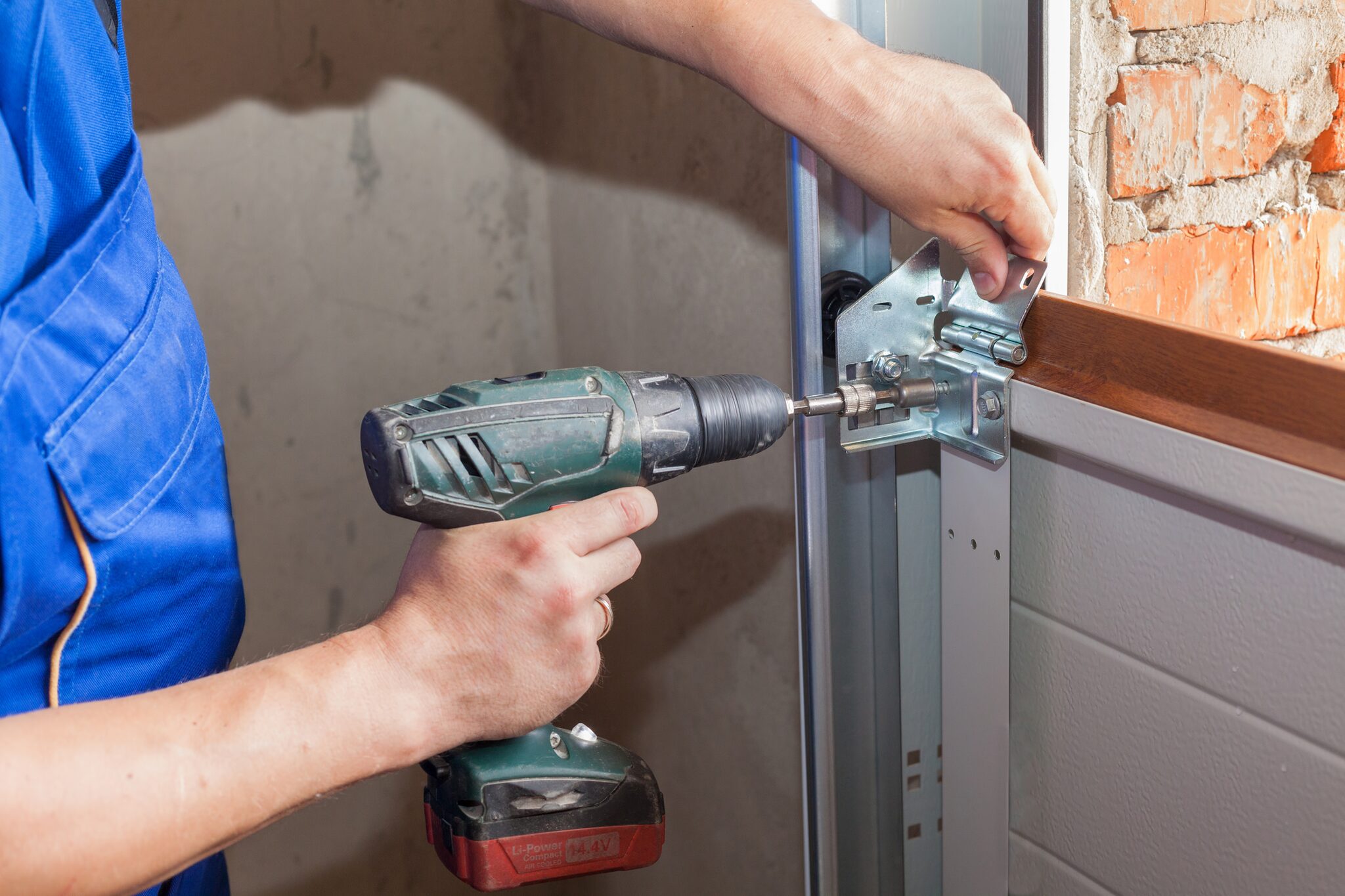
We don't publish replacement prices, because the door you'd want and the opening it goes into decide the number. What follows is what actually sets the price, so you can compare quotes on what's inside them.
Size and type of opening
Most houses have a single door, commonly 8 or 9 feet wide by 7 feet high, or a double around 16 by 7. Standard sizes cost less because they're made in volume. Larger openings, taller doors for trucks or trailers, and non-standard sizes from older or custom builds all cost more. That's partly the door itself and partly the heavier springs and hardware that go with it.
Two singles side by side versus one double is its own choice. Two doors mean two sets of springs, two openers and more to maintain, but also a centre post and a spare entrance if one door fails.
How the door is built
This is where doors that look the same stop being the same.
Layers
- Single-layer steel: one skin of steel, no insulation. The lightest and least expensive. Fine for a detached shed-style garage, a poor match for an attached one.
- Steel with insulation board: a steel face with polystyrene panels fitted to the back of each section. Better thermally, and quieter.
- Insulated steel sandwich: steel on both faces with insulation between. Doors injected with polyurethane foam bond the foam to both skins, which makes the section stiffer and usually better insulated for its thickness.
Steel thickness
Steel is sold by gauge, and a lower gauge number means thicker steel. Thicker steel resists dents from bikes, hockey pucks and car bumpers better, and it costs more. When two quotes are far apart on what looks like the same door, check the gauge on each.
Other materials
Wood doors cost more and need more upkeep. Composite and wood-look steel doors try to get the look without the maintenance. Aluminum-and-glass doors have a modern look, cost more, and insulate less than an insulated steel door unless the glass is insulated.
Insulation and R-value
If the garage is attached, heated, or has a room above it, insulation is where most of the money in a mid-range door goes. It's the choice you'll feel every January.
A higher R-value costs more, and the numbers deserve some care. R-values on brochures are often calculated for the thickest part of the section. A whole installed door, with joints, seals and edges, doesn't perform as well as that number suggests. The door industry's more realistic measure is the installed U-factor. If one quote advertises a much higher R-value than another for a door of similar thickness, ask how it was calculated.
Seals count as much as the panels. An insulated door with a worn bottom seal or gaps at the jambs still lets cold in.
Windows
Windows add cost in several ways. The glass itself costs extra, and insulated or tempered glass costs more again. Decorative inserts add to it. On an insulated door, a row of windows also lowers the overall thermal performance of that section. Windows placed where the sun comes in at low angles can sometimes interfere with the opener's safety sensors on a bright winter afternoon. That's worth a thought for some garages.
Springs, tracks and hardware
A new door needs springs sized to its weight. An insulated steel door is usually heavier than the uninsulated door it replaces, so the old springs rarely match. Options that change the price include:
- Torsion or extension springs. Torsion is the more common choice on new installs.
- Standard or high-cycle springs. Longer-rated springs cost more and suit doors that run many times a day.
- Tracks. New tracks matched to the door are normally part of a replacement. Low-headroom and high-lift track setups for unusual ceilings cost more.
- Rollers and hinges. Sealed-bearing nylon rollers run quieter than basic steel ones.
A quote that looks low sometimes reuses the old tracks or springs. That's worth asking about directly.
The opener
The opener is often quoted separately, and it's worth deciding on deliberately.
- Keep the existing opener if it's in good condition, has working safety sensors, and can handle the new door's weight.
- Replace it if it's old, lacks sensors, or has been straining for years.
- Consider the type. Belt drives are quieter than chain drives, which counts when there's a bedroom over the garage. Wall-mounted openers suit garages with low ceilings or high-lift tracks.
If you're keeping the old opener, have it checked with the new door. We also handle garage door opener service when the motor needs to change with the door.
Removal, the opening, and the site
The old door has to come down safely, which means unloading its springs in a controlled way, and then it has to be hauled away. Check whether a quote includes both.
The opening can add work too.
- Rotted or damaged jambs and header need repair before the new door goes in, or the door won't seal or stay square.
- A slab that has heaved or sloped leaves a gap under the bottom seal. Some of that is handled with seals and some with threshold work.
- Low headroom or obstructions such as ductwork, beams or storage above the door can change the track and opener setup.
- Electrical for the opener needs to be in the right place.
Most of these can't be seen in a photo. That's why a replacement quote should come after someone has measured the opening and looked at the framing.
Custom doors and lead times
Non-standard colours, carriage-house styles, special window layouts and custom sizes usually have to be ordered, which adds cost and time. If your current door is failing, plan around that. A short repair to keep the old door safe while the new one is on order is often the sensible path.
Commercial doors are a different calculation
Shop, warehouse and loading-bay doors are sized, built and powered for far more cycles than a house door, and they're usually heavier. Springs, operators and tracks are specified differently, and the site conditions are different again. If that's what you're pricing, see commercial garage door repair and talk to us about the building.
What to check on every quote
Line up two quotes and check that each names:
- The door manufacturer, model, size and colour.
- Its construction: layers, insulation type, steel gauge, and the stated R-value.
- Windows, if any, and the glass type.
- New springs, with their type and cycle rating.
- New tracks, rollers and hardware.
- The opener: kept, replaced, or quoted separately, with model.
- Removal and disposal of the old door.
- Any repairs to the jambs, header or threshold.
- The warranty on the door, the parts and the labour, stated separately.
If one of the quotes can't answer those, it's hard to compare it with the other.
Before you decide to replace
It's worth being sure a new door is the right call. A single failed part on a sound door is usually a repair, even on an older door. If you haven't settled that yet, read how to tell whether to repair or replace a garage door. If it's a spring that failed, spring repair may be all it needs.
Common questions
Can you give me a replacement price from photos?
We can usually give a rough idea. A firm quote needs the opening measured and the framing, headroom and slab looked at, because those change the job.
Can I keep my existing opener?
Often. It needs to be in good working order, have its safety sensors, and be suited to the new door's weight. We'll tell you if it isn't.
Is a heavier door always better?
No. Heavier usually means more insulation or thicker steel, which is good, but it also needs the right springs. A heavy door on the wrong springs wears everything out faster.
Should I replace the door and opener at the same time?
If the opener is old or lacks sensors, doing both at once saves a second visit. If the opener is newer and sized for the new door, there's no need.
Get a replacement quote
If you're pricing a new door, send us a photo of the current door inside and out, with a rough measurement of the opening. We'll book a visit to measure properly and give you a written quote for garage door installation. If the existing door can be repaired sensibly, we'll tell you that too and price the repair. Call 613-265-3667.
Call 613-265-3667 Get a Free Quote