Ottawa winters freeze door locks. The key goes in but won’t turn. The cylinder feels solid. The door is sealed shut with ice. We fix frozen locks and frozen doors across Ottawa and the Ottawa Valley — same day, in any weather — and we make sure it doesn’t happen again next winter.

Ice-bound locks and swollen winter doors freed and sealed so they work through freeze-thaw.
Frozen locks are one of those Ottawa problems that nobody thinks about until it happens to them — usually at the worst possible moment. You come home at 10pm in -27°C weather, put your key in the front door, and it won’t turn. Or you’re trying to leave for work in the morning and the back door lock is solid. The key goes in, sometimes. The cylinder doesn’t move at all. Your gloves make it harder to feel what’s happening. And standing outside in that temperature while you try to work the problem is not an experience anyone wants to repeat. At Fix My Door Now Ottawa, frozen lock calls are among our most seasonal and most urgent — and we respond to them the same day because there is no reasonable alternative when someone can’t get into or out of their home.
Frozen locks are the result of moisture reaching the inside of the lock cylinder and freezing there. Understanding the specific path that moisture took is what determines both the immediate fix and what prevents the next freeze.
The most common cause is condensation. During the day, when temperatures are above freezing, moist air works its way into the keyway and deposits moisture inside the cylinder. When temperatures plunge overnight — and Ottawa’s shoulder-season temperature swings can drop 20 degrees between afternoon and midnight — that moisture freezes inside the barrel around the pins, the plug, and the tumbler stack. The cylinder is effectively locked from inside by a film of ice that no amount of key turning will break free.
Keyways that face exposure to driving rain or blowing snow accumulate water directly. A lock on a door that faces the prevailing wind, or one that lacks a proper keyway cover or weather shield, is filling with water every time precipitation is blowing. That water freezes as temperatures drop. In Ottawa’s ice storm conditions — where freezing rain deposits a layer of ice over everything — keyways can freeze solid within minutes of the rain stopping.
This is the cause that most people inadvertently create themselves. WD-40 and similar petroleum-based spray lubricants are the most commonly used lock lubricants and the worst choice for an exterior lock in Ottawa’s climate. They attract and hold particulate and moisture rather than repelling them, and in cold weather they thicken into a sticky paste that slows the cylinder even before freezing. A lock lubricated with oil spray will freeze faster and harder than an unlubricated lock under the same conditions. If your lock freezes every winter despite lubricating it, oil lubricant is almost certainly why.
A lock cylinder that has developed internal wear — worn pins, a plug that has developed play in the shell, or an internal spring that has weakened — creates gaps and clearances inside the mechanism that collect moisture more readily than a tight cylinder does. A lock that freezes repeatedly, or that freezes under conditions where other locks in the same building don’t, usually has internal wear that’s allowing more moisture in than a sound cylinder would. The repeated freeze-thaw cycling then accelerates that wear further.
If your lock is frozen right now and you’re trying to resolve it immediately, here is what works and what doesn’t.
What works: A commercial lock de-icer spray, which is isopropyl alcohol or a similar compound with a very low freeze point, injected directly into the keyway thaws the ice rapidly and safely. Hand sanitizer with a high alcohol content applied to the key and worked gently into the keyway also works in a pinch. A warm key — held in your hand for a minute or warmed briefly against a hand warmer — can transfer enough heat to free a lightly frozen cylinder.
What doesn’t work and causes damage: Pouring hot water on a frozen lock. The hot water thaws the ice inside, then runs into the mechanism and refreezes, usually harder than before. It can also crack the cylinder housing under thermal shock. Forcing the key with heavy pressure while the cylinder is frozen can break the key in the lock, creating a separate and more serious problem. Spraying WD-40 into a frozen lock provides momentary relief and makes the next freeze worse.
Lock frozen shut right now? Call 613-265-3667 for same-day frozen lock repair across Ottawa & the Valley — in any weather — or request a free quote online.
Call us when: The lock won’t respond to de-icer, the key has broken in the lock, the entire door is frozen shut rather than just the lock, or the lock freezes repeatedly despite your prevention efforts.

A frozen lock is sometimes not a lock problem at all — it’s a door that has frozen into its frame. Ottawa’s freezing rain events are the main culprit: water runs down the door face and into the crack between the door and the frame, then freezes solid overnight, bonding the door to the frame with ice that can exert enormous force. The lock may be perfectly functional; what can’t be moved is the door itself.
Forcing a frozen door causes serious damage — the weatherstripping tears, the frame cracks at the stop, and sometimes the door itself deforms at the edge. The correct approach is applying gentle heat to the frame perimeter to melt the ice bond before attempting to open the door. We carry the right tools for this and can free a frozen door without damaging the frame or the seal. We also assess why the door froze — usually a drainage problem at the threshold or failed weatherstripping that allowed water to sit in the frame joint — and address it so the same ice seal doesn’t form next winter.
The correct approach to preventing frozen locks in Ottawa involves three things done before freeze-up each fall: lubricating every exterior lock cylinder with a dry graphite or PTFE-based lubricant that repels moisture rather than attracting it; ensuring the keyway is protected from direct precipitation exposure where possible; and replacing any cylinder that has frozen repeatedly, because repeated freezing indicates internal wear that lubrication alone won’t correct.
We offer fall door weatherization visits across Ottawa that include lock lubrication, weatherstripping inspection, and threshold drainage assessment as a complete package — everything that prevents the winter surprises that frozen locks, frozen doors, and draft problems represent.
Frozen lock work connects to the rest of our winter door care — explore the service that matches your problem:
Real door repairs, installations, and security work completed by our Ottawa and Ottawa Valley team.
Send a couple of details and we'll reply with a flat-rate price — no obligation, no pressure.
Sticking, drafty, or won't latch? The sooner we look, the simpler — and cheaper — the fix.
Same crew, same flat-rate pricing — related Ottawa door repair work.
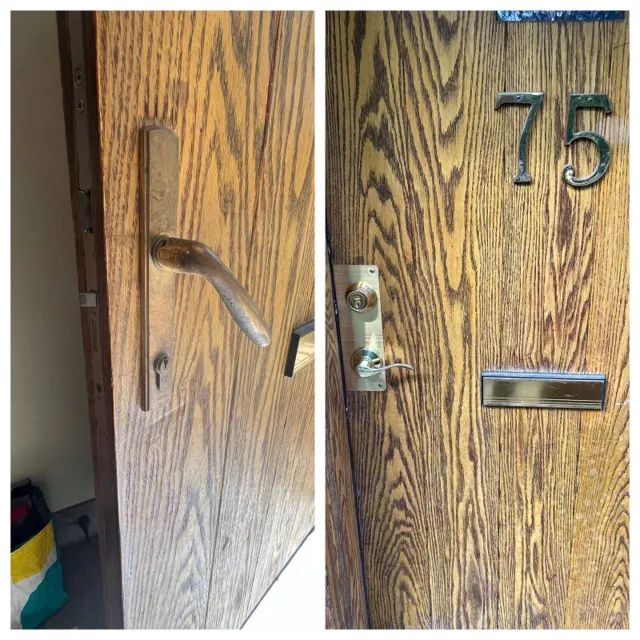
Cylinder assessment and replacement when a lock freezes repeatedly — plus stiff…
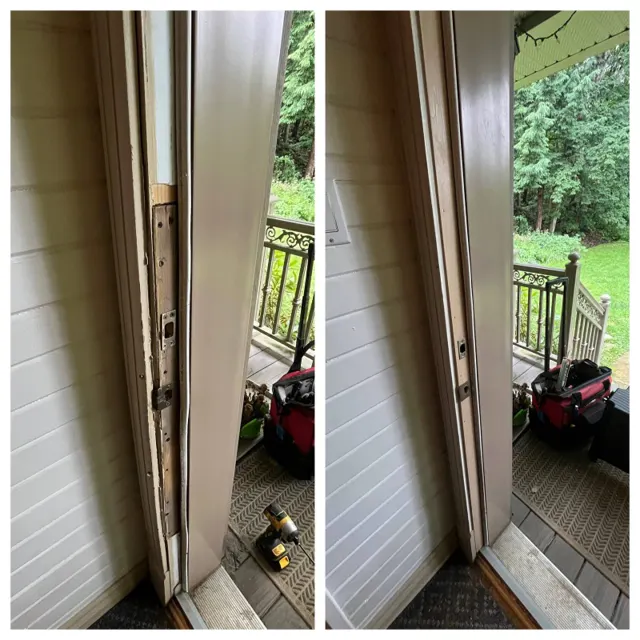
Sealing the door perimeter to stop the water infiltration that freezes locks and…
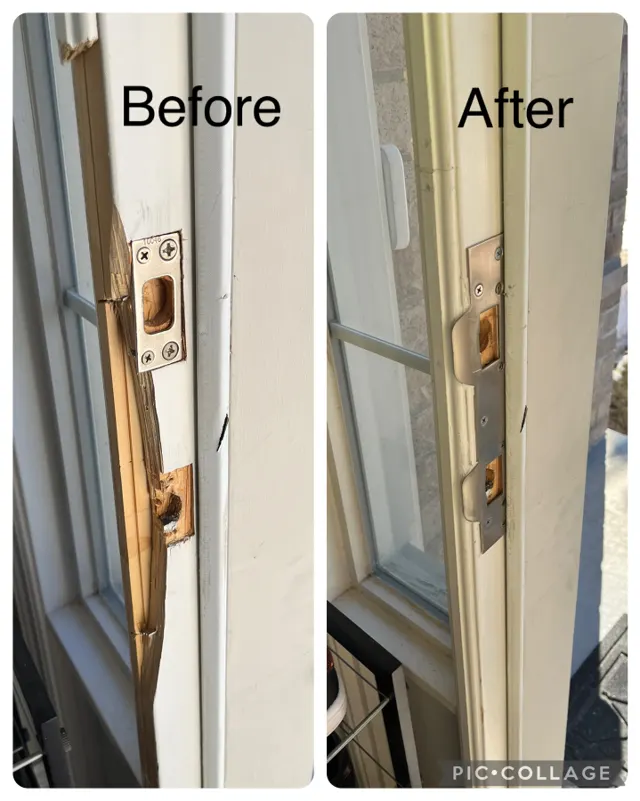
Locked out in the cold, a broken key, or a door frozen shut at the worst moment —…
We fix frozen locks and frozen doors across Ottawa & the Valley the same day — whatever the temperature outside.